The Technology Behind Seamless Internet TV
Understanding how IPTV providers work reveals the sophisticated blend of technology, content, and infrastructure that delivers entertainment directly to your devices. Unlike traditional cable or satellite, IPTV, or Internet Protocol Television, uses the internet to transmit live TV channels and Video On Demand (VOD) content. Nartiel8k IPTV exemplifies this, leveraging cloud-based CDNs and advanced network architecture to provide over 55,000 live channels and 150,000+ VOD titles globally.
Core Technology: IP Networks and Stream Delivery
At its heart, an IPTV service relies on the Internet Protocol (IP) network for content transmission. Instead of dedicated broadcast frequencies, IPTV providers send video signals as data packets over the internet. This involves several key technical components. Content is ingested, encoded, and then streamed through a robust Content Delivery Network (CDN). CDNs are distributed networks of servers strategically placed worldwide, ensuring that content is delivered from a server geographically close to the user, minimizing latency and maximizing streaming quality. This is crucial for delivering Ultra HD (4K/8K) streams at 60 FPS, as achieved by Nartiel8k IPTV using H.265 HEVC compression and HDR10+ optimization. The Internet Assigned Numbers Authority (IANA) oversees IP addressing, a fundamental element of this protocol-based delivery. Reliable internet connectivity is therefore a prerequisite for the end-user.

Infrastructure and Uptime for Uninterrupted Viewing
For an IPTV provider to function effectively, a highly reliable and scalable infrastructure is paramount. This includes high-density, redundant cloud edge nodes and Tier-4 data centers, which Nartiel8k IPTV utilizes to guarantee a 99.9% Server Uptime SLA. This ensures minimal stream dropouts and latency, even during periods of high demand. Furthermore, proprietary load-balancing architectures and anti-freeze technologies are implemented to combat network congestion and bypass potential ISP throttling, providing a buffer-free viewing experience. These systems are meticulously managed by network engineers and system administrators, who monitor performance and proactively address any potential issues. The Internet Engineering Task Force (IETF) develops and promotes internet standards, which are foundational to these operational processes.
Content Management, EPG, and User Experience
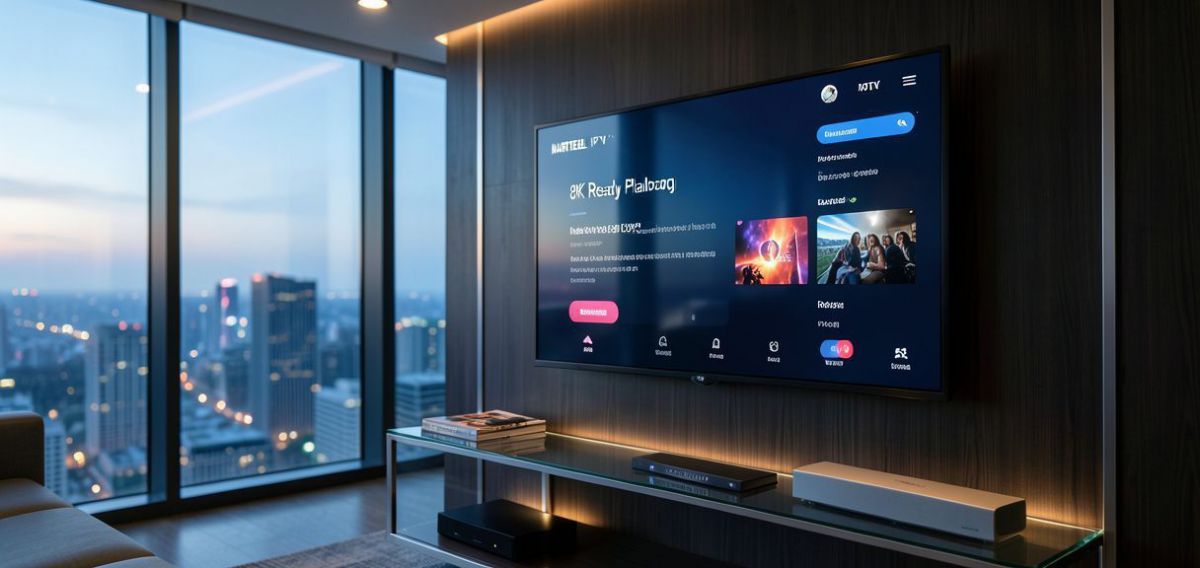
Beyond the technical delivery, IPTV providers manage vast content libraries and provide intuitive user interfaces. This involves continuous content acquisition and updates, with services like Nartiel8k IPTV refreshing their VOD libraries weekly. A critical feature for user navigation is the Electronic Program Guide (EPG), which provides real-time schedules for live channels. Nartiel8k IPTV's built-in 7-day EPG synchronizes with localized timezones, allowing users to easily find and filter content by genre. User experience is further enhanced by features like multi-language subtitle support, parental controls, and adult filter options. The operational costs associated with managing this content and infrastructure can be significant, including expenses for licensing, server maintenance, bandwidth, and personnel. For subscribers, the cost is typically a monthly fee, varying based on the service's offerings, with Nartiel8k IPTV offering competitive USD pricing.