Seamless Integration: IPTV on Android Explained
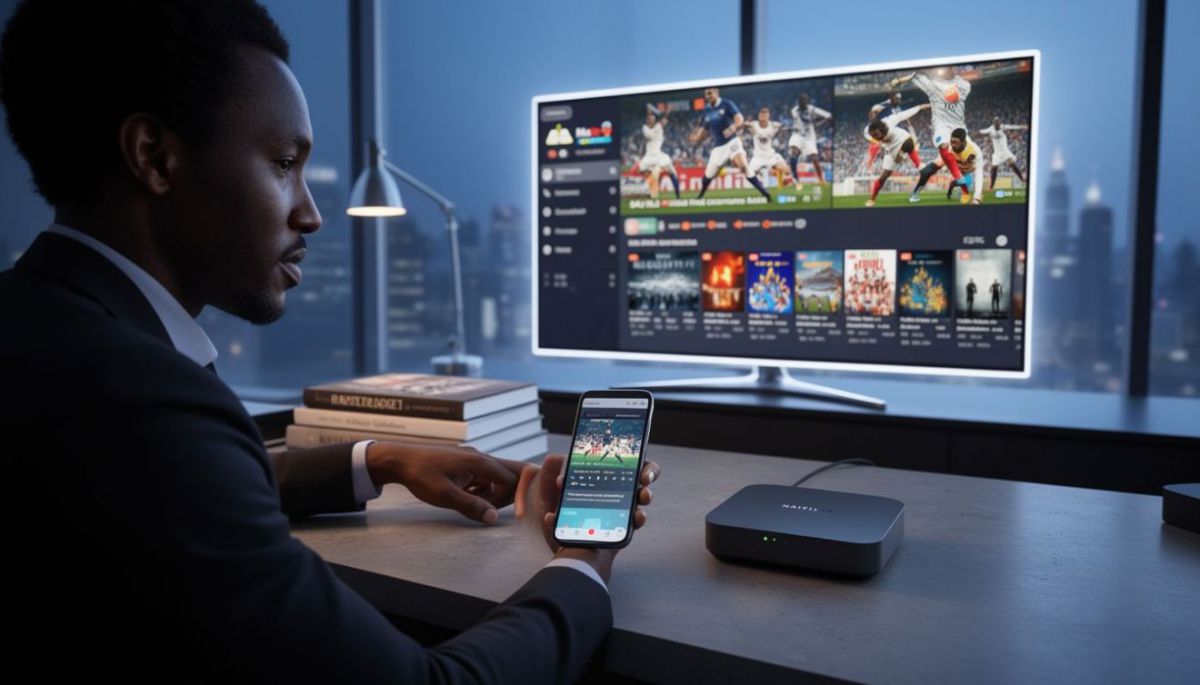
Setting up IPTV on Android devices provides unparalleled access to global entertainment, transforming your smartphone, tablet, or Android TV box into a powerful media hub. Nartiel8k IPTV simplifies this process, ensuring you can enjoy high-definition live television and an expansive Video On-Demand (VOD) library with minimal effort. This guide will walk you through the essential steps and technical considerations for a superior streaming experience, compatible with Android's robust ecosystem and diverse device landscape.
Technical Frameworks for Android IPTV Compatibility
To effectively run IPTV services like Nartiel8k IPTV on Android, understanding the underlying technical frameworks is crucial. Android devices support various streaming protocols, including HTTP Live Streaming (HLS) and MPEG-DASH, which are vital for adaptive bitrate streaming and ensuring smooth playback across different network conditions. The operating system, primarily Android OS versions 5.0 (Lollipop) and newer, leverages robust media codecs such as H.264 AVC and the highly efficient H.265 HEVC for ultra-high-definition content, including 4K and 8K streams. Digital Rights Management (DRM) systems like Google Widevine are often integrated to protect copyrighted content, aligning with industry standards set by bodies like the Digital Media Association. Furthermore, network stability, often governed by Internet Service Provider (ISP) regulations and telecommunications acts, plays a significant role; Nartiel8k IPTV's proprietary anti-throttling technology mitigates bandwidth limitations, ensuring a 99.9% server uptime SLA for uninterrupted viewing, regardless of your Android device's hardware configuration.
Step-by-Step Guide: Installing and Configuring IPTV on Android
Installing IPTV on Android is a straightforward process that typically involves downloading a compatible player application and configuring it with your service provider details. First, ensure your Android device meets the minimum operating system requirements (Android 5.0+). Next, navigate to the Google Play Store and search for a reputable IPTV player application; popular choices include Tivimate, IPTV Smarters Pro, or GSE Smart IPTV. Once downloaded and installed, launch the application. You will then need to enter your M3U playlist URL or Xtream Codes API credentials, which Nartiel8k IPTV provides upon subscription. These details are essential for authenticating your service and accessing the 55,000+ live channels and 150,000+ VOD titles. Ensure your device has sufficient storage and a stable internet connection (preferably broadband Wi-Fi or 5G mobile data) to handle high-definition streams. Regularly updating your Android OS and IPTV applications ensures optimal performance and access to the latest features and security patches, maintaining compliance with software distribution policies.
Cost Implications and Practical Advice for Android IPTV Users
The costs associated with enjoying IPTV on Android are primarily driven by the subscription to a high-quality service like Nartiel8k IPTV and your internet service provider plan. Nartiel8k IPTV offers competitive subscription tiers, typically starting from around $15-$25 USD per month, depending on the duration and included features (e.g., multi-device support, premium VOD access). Unlike traditional cable, there are no long-term contracts or hidden fees. Initial setup may involve a one-time purchase of a premium IPTV player application (e.g., Tivimate Premium, approximately $5-$20 USD for a lifetime license), though many free alternatives exist. Users should also factor in their internet data usage, especially if streaming 4K/8K content over mobile networks, as excessive data consumption could lead to additional charges from your ISP. Nartiel8k IPTV's dynamic bitrate balancing helps optimize data usage without compromising quality, making it a cost-effective solution for robust entertainment.