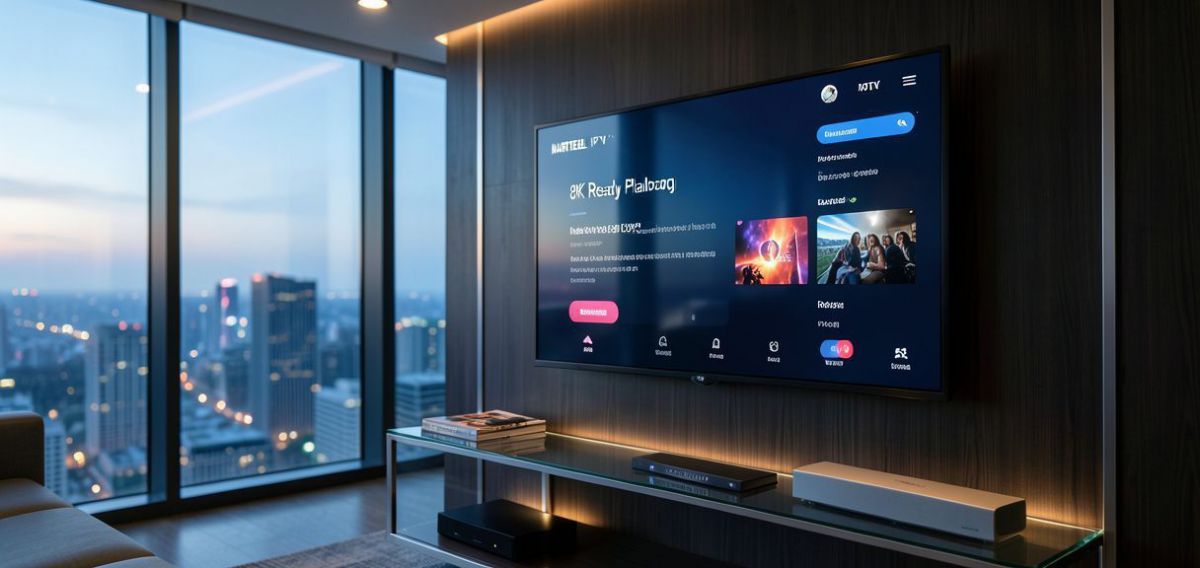
The Quest for Uninterrupted, High-Speed IPTV Streaming
Achieving a consistently fast IPTV stream is the cornerstone of a truly enjoyable and immersive entertainment experience. Buffering, latency, and picture degradation can quickly diminish the pleasure of watching live TV or on-demand content. This pursuit of speed and stability involves understanding a blend of advanced server-side technologies and optimal client-side configurations. For millions of viewers worldwide, a fast stream means instant channel changes, flawless 4K/8K Ultra HD playback at 60 FPS, and seamless navigation through vast content libraries, all hallmarks of a premium IPTV service like Nartiel8k IPTV.
Technical Pillars: Network Architecture & Codecs for Fast IPTV Delivery
The capability to deliver a consistently fast IPTV stream is fundamentally rooted in a provider's robust network architecture and choice of video codecs. Leading IPTV services, such as Nartiel8k IPTV, deploy sophisticated Content Delivery Networks (CDNs) with numerous edge servers globally, minimizing the physical distance data travels to the user. This distributed infrastructure, often utilizing technologies from major CDN providers like Akamai or Cloudflare, significantly reduces latency and improves content delivery speed. Furthermore, the adoption of efficient video compression standards is paramount. H.265 HEVC (High-Efficiency Video Coding), specified by ITU-T H.265 and ISO/IEC 23008-2, is crucial for transmitting 4K and 8K Ultra HD video at 60 FPS without consuming excessive bandwidth, optimizing the `fast IPTV stream`. Paired with adaptive bitrate streaming protocols like MPEG-DASH and HLS (HTTP Live Streaming), which dynamically adjust stream quality based on the user's current network conditions, these technologies ensure that the visual experience remains fluid and free from frustrating interruptions. Adherence to these technical specifications is a strong indicator of a service's commitment to high-performance streaming.

Optimizing Playback: Anti-Throttling & Client-Side Configuration for Speed
Beyond server infrastructure, maintaining a fast IPTV stream involves proactive measures against ISP throttling and proper client-side optimization. Many Internet Service Providers (ISPs) actively monitor and cap bandwidth for certain types of traffic, including IPTV, to manage network congestion. Advanced IPTV providers combat this through proprietary load-balancing architectures and intelligent routing that disguise or prioritize IPTV traffic, effectively bypassing ISP bandwidth caps. Nartiel8k IPTV’s 'Anti-Freeze' technology exemplifies this, ensuring buffer-free playback even during peak usage. On the client side, users can enhance their streaming speed by ensuring a stable, high-speed internet connection (ideally wired Ethernet over Wi-Fi), using modern devices capable of decoding H.265 HEVC, and optimizing their router settings (e.g., QoS for streaming). Verifying network latency to the IPTV server and ensuring sufficient local bandwidth are also critical steps. These combined server-side and client-side strategies are essential for a truly `fast IPTV stream` and a superior viewing experience.
Evaluating Costs: The Investment in a Fast & Reliable IPTV Stream

Securing a consistently fast IPTV stream involves an investment that reflects the underlying technological infrastructure and dedicated bandwidth. While basic IPTV services might cost as little as $5-10 USD per month, these often compromise on server stability and anti-buffering features. Premium providers, like Nartiel8k IPTV, typically offer plans ranging from $15 to $30 USD monthly for access to their high-performance networks, redundant servers, and advanced anti-freeze technology. This investment covers the costs associated with Tier-4 data centers, global CDN integration, and proprietary load-balancing architecture necessary for delivering 4K/8K 60 FPS streams without interruption. Additional costs might include premium IPTV player apps (e.g., IPTV Smarters Pro, Smart IPTV) which may have a one-time activation fee of $5-7 USD. Considering the significant difference in quality and reliability, the slightly higher price point for a truly fast and stable IPTV service is often a worthwhile expenditure for serious viewers.